
When people hear the word “historic”, they often picture the obvious places: a handsome Main Street lined with 19th-century storefronts, a house museum with a gloved guide and a velvet rope, a battlefield marked by interpretive signs. I spent most of my childhood visiting places like these on summer vacation.
As a culture, we label places as “historic” because they feed our curiosity, connect us to past people and events we recognize as important, and generally make us feel better about the world. I can just hear my father saying, “See, kids, humans are capable of creating beautiful things, not just fast-food restaurants!”
Historic = Beautiful?
Oh, but Dad, even fast-food restaurants can be “historic” (think of the oldest operating McDonald’s in Downey, CA). When it comes to “beauty”, one beholder’s ugly duckling is another person’s swan. In my early memories, history was a destination, a place we went to learn, have fun (sometimes), and break out of our everyday lives.
So, instead of “beautiful”, how about “special”?
Let’s see what we can do to bring “historic” down from its pedestal while still recognizing the important role historic places play in our lives.
History in Plain Sight
History doesn’t exist only where it has been officially enshrined. Much of it exists in the wild: officially designated landmarks and historic districts, yes; but also in ordinary houses, commercial buildings, and neighborhoods that were never intended to be preserved, only used. Places that still carry the marks of everyday life. Places like your house.
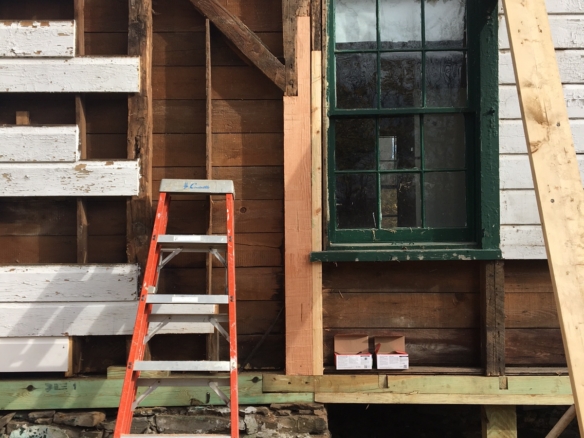
A few years ago, I stood in front of a house that did not look promising. It was covered in white vinyl siding, outfitted in very little charming detail, and nearly swallowed by overgrown shrubs. Inside, it had been divided into three apartments. There was no architectural drama, no obvious “wow” factor.
And yet—something whispered that this could be a worthwhile historic rehabilitation project. More than that, it could be a great home.
Historic = Old?
So, then, are all old buildings “historic”? The National Register of Historic Places defines eligibility based, first, on age. In most cases, a building needs to be at least 50 years old in order to be listed. New York City requires buildings to be at least 30 years old to qualify for landmark status. The rationale is that we can only begin to understand the meaning of a place from about a generation’s retrospective distance.
Ah, meaning! I think we’re on to something here. Age alone isn’t enough. Nor is beauty.
What is “Meaning”?
The National Register of Historic Places offers a framework. Besides being at least 50 years old, properties are generally considered eligible if they meet one or more criteria related to architecture, association with important events or people, or the ability to yield important information about history or prehistory.
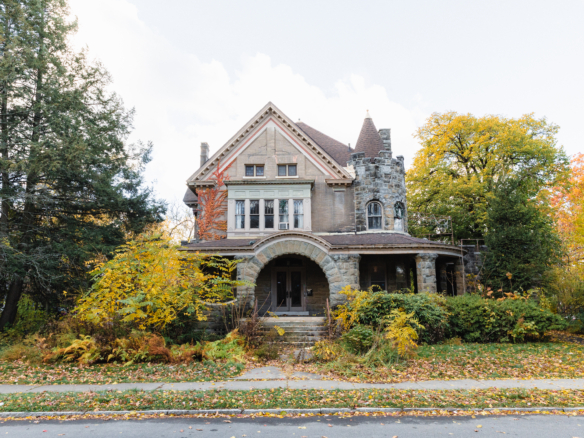
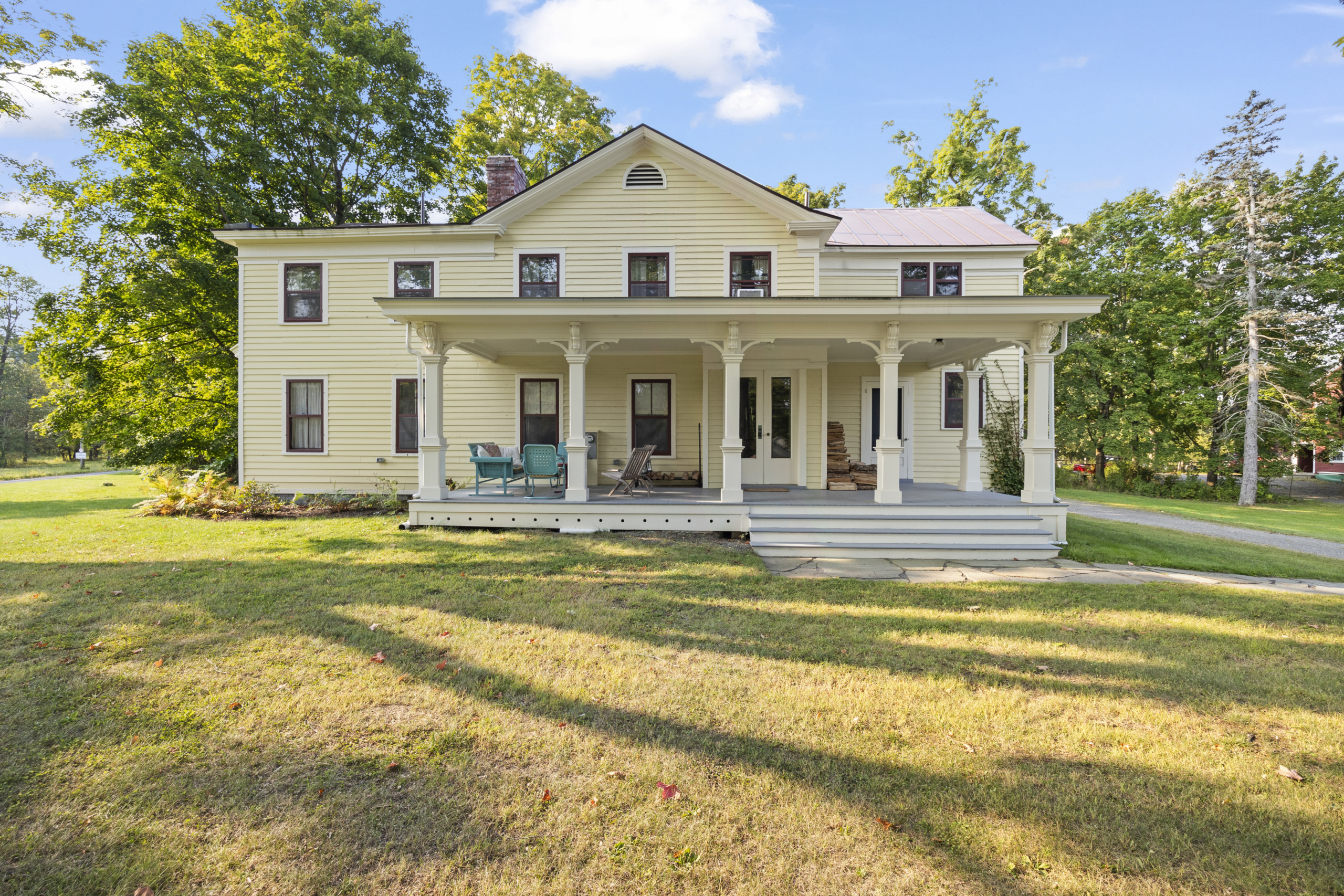
A grand mansion and a modest vernacular house can both be historic—just for different reasons. One may embody high-style design; the other may tell us more about how most people actually lived.
When preservationists talk about meaning—sometimes called “significance”—we’re referring to the information a building holds: how it was built, how it has changed, what values shaped it, and what stories are embedded in its materials, proportions, and patterns of use. Arbitrary renovation erases that information. Thoughtful rehabilitation preserves it.
Many places rich in meaning will never be listed on the National Register. They won’t qualify for tax credits. They won’t be protected by local law. And yet, they are often the backbone of community memory. These places matter not because they are exceptional, but because they are representative. They show us who we were—and, by extension, who we are.
Historic = A Choice
Being “historic” doesn’t require a plaque, a designation, or a famous former owner. In most cases, it’s a choice.
It’s the choice to pause before tearing things out. To document before altering. To repair rather than replace when possible. To ask why a building is the way it is, and to honor that story.
As more property owners, architects, contractors, and public agencies agree to look at places this way, we tap into our collective power to build a more thoughtful, humane, and enduring world. To me, that is beautiful.
AUTHOR KATE WOOD grew up criss-crossing the country in the family’s Volkswagen Bus, visiting house museums, battlefields, Main Streets, and national parks. Today, she is an award-winning preservationist, real estate broker and principal of the full-service historic rehabilitation consulting firm, Worth Preserving. Kate believes in the essential value of old-building stewardship to sustain community character. For her, each property is a cause and each client a fellow advocate. She specializes in matching people with properties, skilled contractors, historic tax credits and other benefits to support top-tier rehabilitation projects.