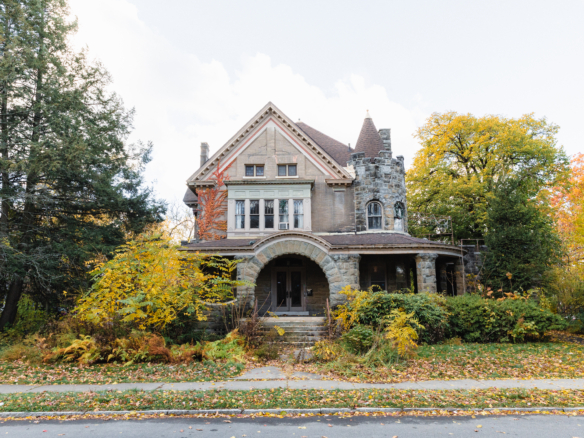

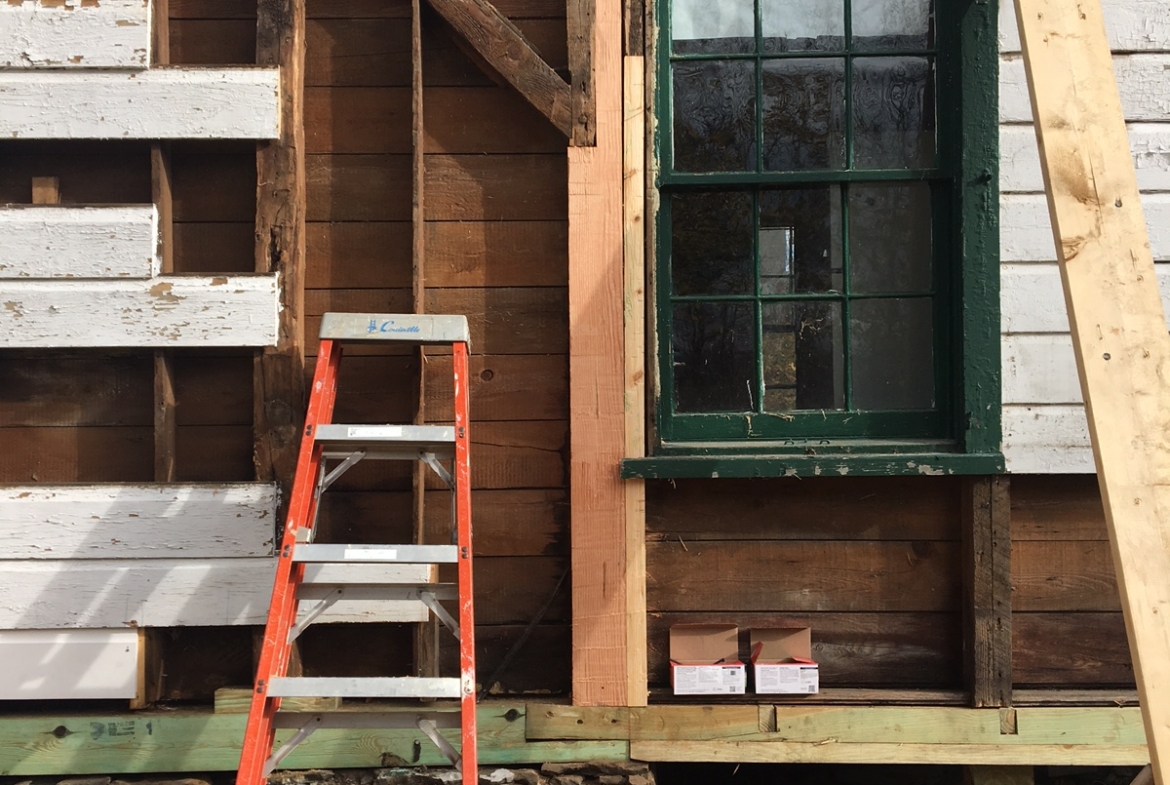
Do you hear the words rehabilitation, renovation, restoration, and preservation used almost interchangeably and wonder, what do they really mean? Yes, the common thread is that they all move towards some kind of “improvement.” However, understanding the distinctions can completely change how you approach your own old-house project.
Personally, I lean into historic rehabilitation because, for most homeowners, it’s not only the most realistic and flexible way to care for an old house but also the most sensitive. I always say it’s that “sweet spot” between turning your home into a museum (restoration) and erasing the character that made you fall in love with it in the first place (unfortunately, most renovation).
Rehabilitation vs. Renovation vs. Restoration
Restoration usually means returning a building to the appearance of a particular moment in history. That can involve removing later changes and recreating lost historic features.
Renovation is a broader, more modern term. It often prioritizes updating or improving a property for current tastes and lifestyles — sometimes with little regard for historic materials or character.
Historic rehabilitation lives somewhere in between. According to the National Park Service, rehabilitation is the process of making a property functional for contemporary use while preserving the features that convey its historic, architectural, and cultural significance.
In practical terms, rehabilitation asks questions like:
- How can we create a 21st-century kitchen without destroying our 18th-century house’s character?
- Can we repair the original wood windows instead of replacing them?
- How do we add insulation, modern systems, or a bathroom while respecting the building’s historic fabric?
- Which changes over time are actually meaningful and worth preserving?
Old Houses Were Never Frozen in Time
One of the biggest misconceptions about preservation is that old houses are supposed to remain untouched forever.
In reality, old buildings have always evolved. Families added plumbing, expanded kitchens, enclosed porches, rewired electricity, replaced roofs, and adapted spaces for changing needs. Historic rehabilitation recognizes that change is part of a building’s life — but it encourages change that is thoughtful, compatible, and respectful.
A successful rehabilitation project doesn’t erase history. It layers new life into an existing story.
That might mean:
- Retaining and repairing old plaster instead of gutting every wall to install new systems
- Keeping the sense of the original floor plan even while creating more flow between rooms
- Preserving old-growth wood floors with their imperfections
- Designing an addition that feels compatible without copying the original house
The goal is not perfection. The goal is continuity.
What makes a house a good candidate for historic rehabilitation? Read more on the Worth Preserving blog: How to Identify Your Home’s Special Historic Features
AUTHOR KATE WOOD grew up criss-crossing the country in the family’s Volkswagen Bus, visiting house museums, battlefields, Main Streets, and national parks. Today, she is an award-winning preservationist, real estate broker and principal of the full-service historic rehabilitation consulting firm, Worth Preserving. Kate believes in the essential value of old-building stewardship to sustain community character. For her, each property is a cause and each client a fellow advocate. She specializes in matching people with properties, skilled contractors, historic tax credits and other benefits to support top-tier rehabilitation projects.