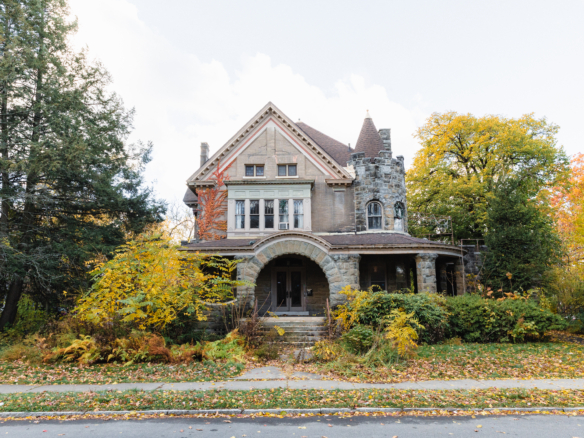
Another year draws to a close. The days are shorter, the nights seem darker. But look, listen…each old house glows with the light of all its stories. It’s up to us to keep those lights shining.
Scrolling back through this year’s CIRCA Old Houses Magazine, here are some favorite lessons:
- Old houses are a relationship, not a one-time project.
The best preservation work grows over years, not months. It’s about building trust with a house the same way you build it with people: through attention, patience, and steady care.
- Start with “why” before “what.”
Every successful project begins with a clear sense of purpose. Understanding why we’re preserving guides every decision about what to preserve and how.
- Two hours of looking and learning together with homeowners can make all the difference.
Those first walkthroughs are my favorite part of the job — seeing a house through the dreamy eyes of its new stewards, decoding its stories (including the quirks!), and offering a steady guiding hand as we navigate challenges and opportunities.
- Routine, preventative maintenance is the most cost-effective preservation tool.
A well-timed gutter cleaning or coat of paint saves more historic fabric (and money) than any heroic intervention later on.
- Windows matter.
When cared for properly, historic windows outperform replacements and preserve the soul of the house.
6. Always check historic tax credit eligibility.
In some locations, even small projects can qualify, and those incentives often make the difference between “someday” and “let’s do it now.”
7. Peeling umpteen layers of paint from a ca-1875 plaster corbel is deeply satisfying.
There’s nothing more mesmerizing than revealing the crisp details hidden under a century of paint. This is as close to instant gratification as most old house projects can offer!
8. Start every project with a meeting that includes the GC, architect, interior designer, MEP consultant, structural engineer, and specialized trades.
Good chemistry and clear communication among the team are what make complex projects run smoothly.
9.“The eye has to travel.”
I’ve just returned from Paris! Seeing how other regions and cultures care for their built heritage sharpens my own instincts; every old place has something to teach us.
10. Home stewardship is not a solo sport.
Preservation thrives on collaboration. Homeowners, craftspeople, consultants, and communities all have a role to play in keeping history alive.
- Even the humblest, most neglected buildings can be worth preserving.
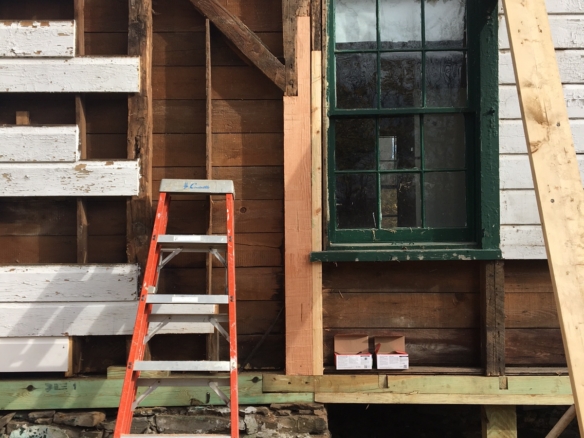
My very brave client’s abandoned ca-1876 train depot rehab project constantly reminds me: beauty and value aren’t always obvious at first glance, but they’re always there for those willing to look closely.
- Patience and persistence.
Preservation is slow by design. The best outcomes come to those who respect the pace of old materials and old souls.
Year after year, preservation is an act of continuity. As we look ahead, we’re grateful for the homeowners and craftspeople who make it possible to keep the lights on (literally and metaphorically!) in the old houses we love. That feels like an appropriately bright note to end the year on!
AUTHOR KATE WOOD grew up criss-crossing the country in the family’s Volkswagen Bus, visiting house museums, battlefields, Main Streets, and national parks. Today, she is an award-winning preservationist, real estate broker and principal of the full-service historic rehabilitation consulting firm, Worth Preserving. Kate believes in the essential value of old-building stewardship to sustain community character. For her, each property is a cause and each client a fellow advocate. She specializes in matching people with properties, skilled contractors, historic tax credits and other benefits to support top-tier rehabilitation projects.